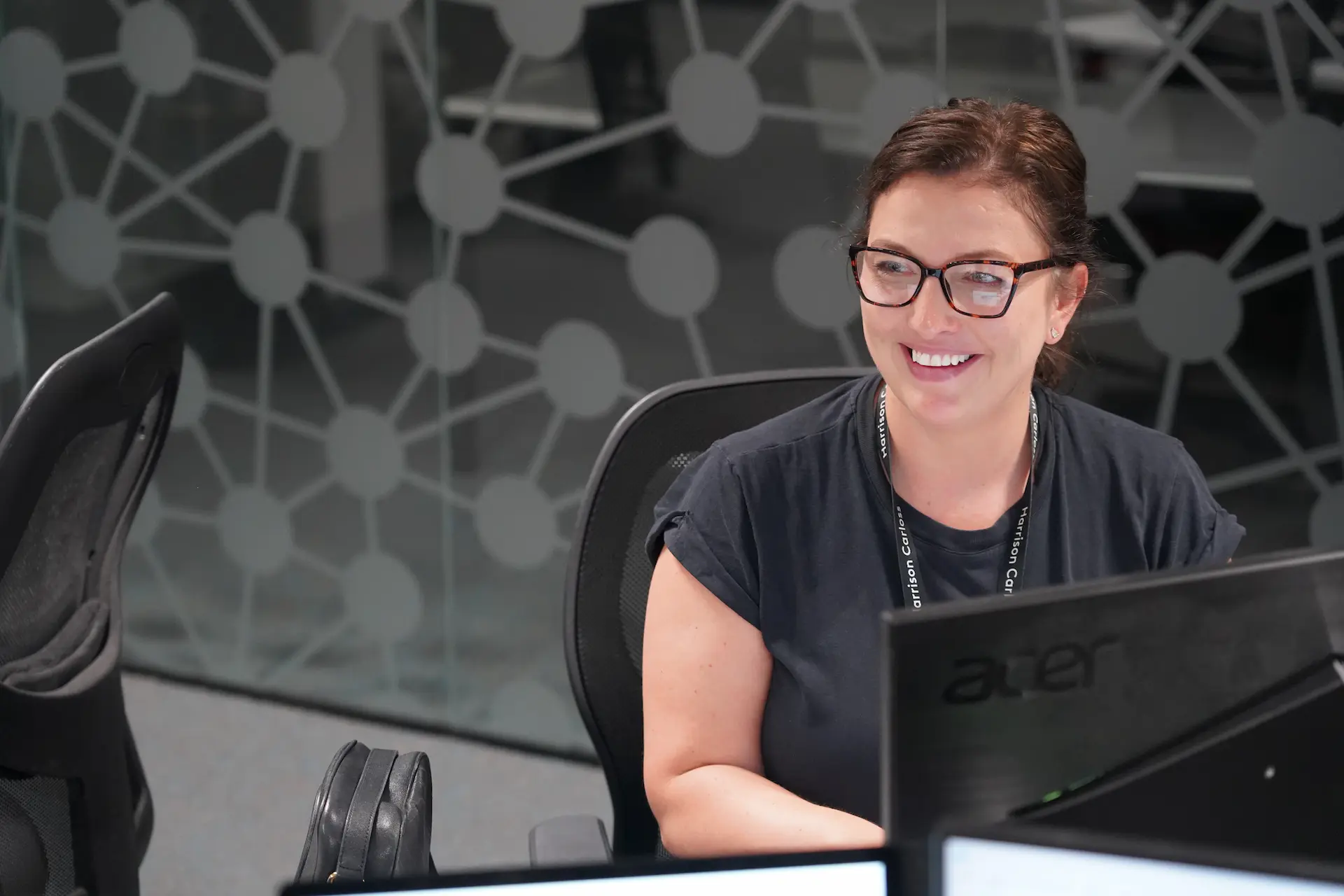

Ahead of the ARCO What Next? Conference 2026, we’ve given our Client Services Director (and retirement marketing expert), Rebecca Cox, some juicy questions that take a deep dive into her thoughts on the industry, and marketing to over-55s.
Q: How has marketing to the over-55s changed over the years, and what further changes do we expect?
When I started working in this sector, marketing to the over-55s was largely about print, direct mail and events. The assumption was that this audience was offline and not digitally savvy. That world has changed dramatically. Today’s 60 and 70-year-olds are digitally confident, media-savvy and far more discerning about the brands they engage with. They research extensively before making contact, they read reviews and expect the same quality of digital experience they’d get buying a car or booking a holiday.
What’s also shifted is the diversity of the audience itself, “the over-55s” is not a single group but I don’t think marketing has caught up. A 57-year-old considering a lifestyle-led retirement village has very different motivations from a 74-year-old looking for security and community. Smart marketers have moved away from age-bracket thinking and towards motivation-led segmentation, focusing on life stage, aspiration and attitude rather than age.
Looking ahead, I expect personalisation to become even more central. Buyers will increasingly expect content and communications that feel relevant to their specific situation, not generic messaging about beautiful surroundings and lock-up-and-leave lifestyles. There’s also a growing role for video and longer-form content that genuinely helps people think through the decision, rather than simply selling to them. There’s been some bad press over the years and consumers (and their families) are wise. Trust-building and differentiating propositions to genuinely help consumers will be the defining marketing challenge of the next five years in this sector.
Q: Where should retirement communities be focusing their resources to get the best ROI?
If I had to give one consistent piece of advice to developers and operators right now, it would be this: invest in your existing homeowners before you invest in your next prospect. The most powerful marketing asset you have is a happy community. Genuine testimonials, homeowner-led content and word-of-mouth referrals consistently outperform any paid campaign we run. That means the investment in homeowner experience, community programming and aftercare isn’t just an operations decision; it’s a marketing one.
Beyond that, I’d point to digital infrastructure. Many developers are still running outdated websites and relying on legacy CRM systems that make it difficult to nurture leads over the long sales cycle. Investing in the right tools to track, personalise and sustain communication over months, sometimes years, pays dividends. Going forwards, consumers will be even more heterogenerous and wise (given advances in technology and a digital savvy consumer coming through), they’ll be expecting personalised, specific content that speaks to them.
And finally, content. Helpful, honest, transparent information about costs and contracts at the earliest point in the sales process will build trust in the homeowner. The kind of trust that eventually converts a cautious browser into a committed buyer.
Q: What are the biggest challenges facing retirement property developers?
The retirement property sector is one of the most exciting spaces in UK housing right now, but that doesn’t mean it’s without its pressures. Supply remains a persistent issue. We simply aren’t building enough age-appropriate housing to meet demand, and planning constraints continue to slow progress in many areas. But beyond the structural challenges, the bigger issue I see day-to-day is one of perception. There’s still a significant disconnect between what modern retirement living actually looks like and what older buyers assume it to be. Developers are competing not just with each other, but with decades of outdated associations around sheltered housing and care homes. Shifting that narrative takes sustained, intelligent marketing, not just a glossy brochure.
Affordability and the slow sales cycle are also real concerns. Purchasing a retirement property is one of the most emotionally loaded decisions a person will ever make. It often involves downsizing from a family home, navigating complex finances, and confronting questions about the future that nobody particularly wants to sit with. Developers need to meet buyers where they are in that journey, not just where they want them to be.
Q: Do you see AI as having a place in retirement marketing? Or does this take away from the authentic environment you’re trying to sell?
It’s a question I get asked more and more and I think it’s the right one to be asking. The honest answer is that AI absolutely has a place in retirement marketing. We’ve already seen online search behaviour change with the implementation of AI and this will continue to filter into more and more consumsers as the platforms are adopted more widely. We as marketers need to be thinking about consumers using AI to research, to find options, solutions and compare us amongst other developments and communities. AI will further empower consumers to be more informed when enquiring. A word of caution – our online content, resources and pdfs need to be up to date with the latest information to make sure we’re we’ll served in AI searches.
Used well, AI helps us work smarter. It can analyse audience behaviour, personalise communications at a scale that simply wasn’t possible before and free up the time our teams spend on repetitive tasks so they can focus on the work that genuinely requires human judgement and creativity. For a sector with long, complex sales cycles and audiences who expect to be treated as individuals, that capacity for intelligent personalisation is genuinely valuable.
Where I’d urge caution is in the customer-facing moments that matter most. The stories that build trust, the conversations that help someone imagine their next chapter, the tone that says “we understand what you’re going through” rather than “we’d like to sell you a property”, those things need a human hand.
Do I think AI can help to serve marketers to create content from scratch, possibly not. We need to be more authentic in this sector than most due to the scepticism of the buyer and the press that we often get as a result of misinformation or otherwise. Stand-out, honest, transparent and easy-to-digest content will be key in differentiating operators in a world of AI produced copy.
Q: Why should retirement living developments want to work with Harrison Carloss?
Because we live and breathe this sector. We love it. Retirement marketing isn’t a service line we’ve bolted on to a generalist offer. It’s work we’ve been doing for years (30+ to be exact!) and that depth of experience shows in everything from the strategy we build to the copy we write to the conversations we have with clients. We understand the sales cycle, we understand the audience, and we understand the unique sensitivities involved in marketing a decision this significant to people at this stage of their lives.
What I think genuinely sets us apart is the combination of strategic thinking and creative execution under one roof. A lot of agencies will give you one or the other. We bring both. That means our clients aren’t just getting campaigns that look good, they’re getting a strategic approach that genuinely delivers leads that can be nurtured and sold to. We pride ourselves on establishing real deep relationships with our clients in this sector and work with them for a long time – we couldn’t do that if we didn’t love it and get results.
We’re also a team that’s easy to work with. I know every agency says that, but for our clients it tends to mean something specific. It means direct access to senior people, honest conversations when something isn’t working and a genuine investment in the long-term success of the developments we support. We grow when our clients grow and that matters to us.
If you’re a retirement living developer looking for a partner who already understands your world and can hit the ground running, I’d love to have that conversation.