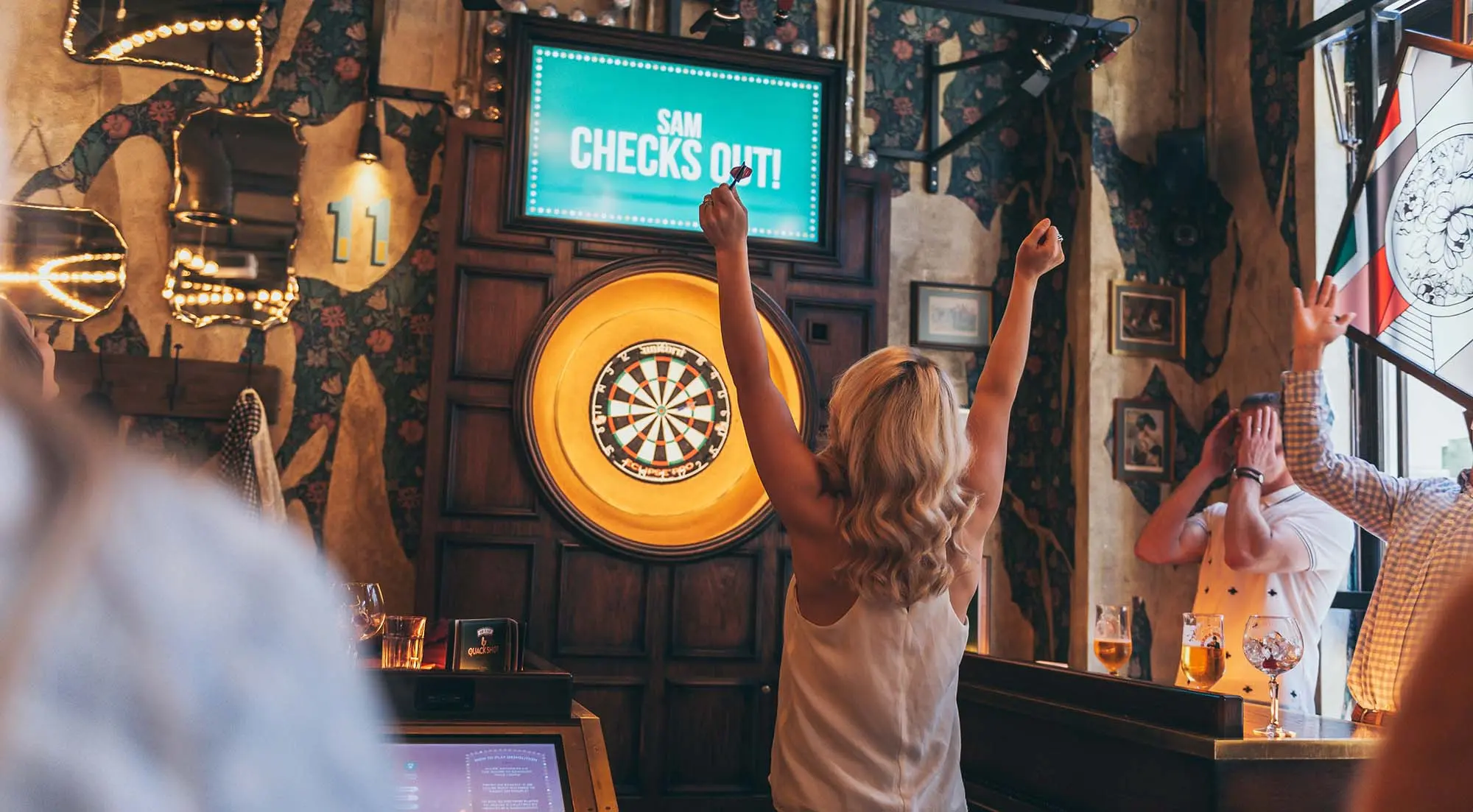

The idea of corporate socialising might seem like a recent trend, but people have been mixing social activities like drinking or dining with games for centuries.
In its present-day form, corporate socialising is now a major leisure trend – the sector has experienced a 400% growth since 2021 – with a great many venues combining outdoor adventures, country sports, mental and physical challenges, problem solving activities or competitive events.
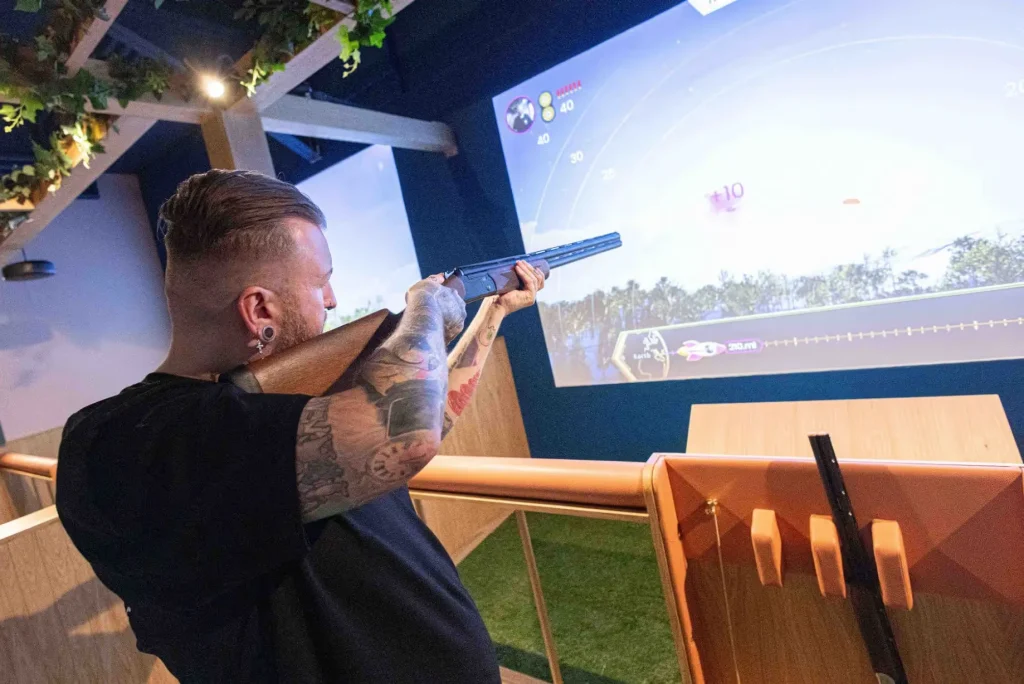
So, what is competitive socialising?
It’s now the accepted way for corporate organisations to boost employee morale, get their people working better together, sharing and overcoming challenges, improving communications, and having inspiring fun days out, both indoors and out.
It involves venues who have the necessary ingenuity, skills and resources required to organise interactive game-like experiences for their clients whilst offering food and drink on the side.
Their goal is to devise, organise and manage events designed to create memorable company experiences for a corporate client’s teams, who then pit their wits and energies against each other in activities that test their creativity and foster stronger connections outside of the usual workplace setting.
Typical of the kind of activities on offer will usually involve teams in various forms of creative thinking, problem solving, skills development, team communication, quizzes, obstacle courses and so on.

What your marketing strategy should focus on
Knowing what corporate clients want is one thing. Reaching them, convincing them and keeping them coming back is another. Here is how competitive socialising venues should be approaching it.
Get your proposition right before you market it
Corporate buyers are not booking a fun day out for themselves. They are deciding on behalf of their organisation, often with a budget to justify and a line manager to satisfy. Your marketing needs to speak directly to that mindset. Lead with outcomes: stronger teams, higher morale, improved communication, a measurable lift in engagement. Save the wacky activities for the second paragraph.
LinkedIn is your most valuable channel
The decision-makers you want to reach, HR managers, heads of operations, team leads and MDs, are active on LinkedIn. Organic content that showcases real event outcomes, client testimonials and behind-the-scenes moments builds credibility over time. Pair this with targeted paid campaigns aimed at job titles and industries in your local catchment area, and you have a pipeline that runs continuously with relatively modest spend.
Build a direct outreach programme
Do not wait for corporate clients to find you. Identify businesses within a reasonable radius, research the right contact in each and run a structured email or direct mail campaign with a clear call to action, whether that is a free site visit, a discounted trial event or a no-obligation quote. Personalise where you can. A generic blast gets deleted; a message that references a company’s size, sector or recent growth gets read.

Turn every event into a referral engine
Corporate clients talk to other corporate clients. After every successful event, build in a follow-up sequence. Start with a thank-you email with photos or a highlight reel, a short feedback survey, and, crucially, ask for a referral. Offer an incentive, whether that is a discount on their next booking or a gift for the referring contact. Word of mouth inside professional networks moves fast.
Don’t forget the food and drink side of the experience either. You can make a really positive impression by accommodating a wide range of alcohol free drinks and an allergen menu that makes it clear what guests can eat and drink safely. Solutions like allergen.io exist to keep your menu automated and up to date so that your guests can filter your menu for allergens and place their order confidently. The fastest way to kill referrals is an allergy incident that puts one of your customers at risk.
Create packages that make the decision easy
Corporate buyers respond well to structure. Offer tiered packages at clear price points, each with a defined guest capacity, activity format, catering option and measurable outcome. Remove as much friction from the buying process as possible. The easier you make it to say yes, the more often they will.
Think seasonally and plan ahead.
Corporate socialising peaks around specific moments in the business calendar, such as the end of quarter, summer away-days, Christmas parties and new-year team reset events. Build your marketing calendar around these windows and start your outreach earlier than feels necessary. By the time most competitors are promoting their Christmas packages, you should already have half of December fully booked.
Retention is the strategy people forget
Acquiring a corporate client is the beginning, not the goal. A membership scheme, loyalty discount or priority booking programme gives businesses a reason to come back and, just as importantly, makes them feel like valued partners rather than one-off customers. A client who books three times a year is worth far more than three separate clients who each book once.
Done consistently, this approach builds a reputation that competitors and copycats find hard to replicate. Speak to our team of hospitality experts about a new website, marketing campaigns or tech solutions or find out more about our work in the hospitality sector.